
Karakorum

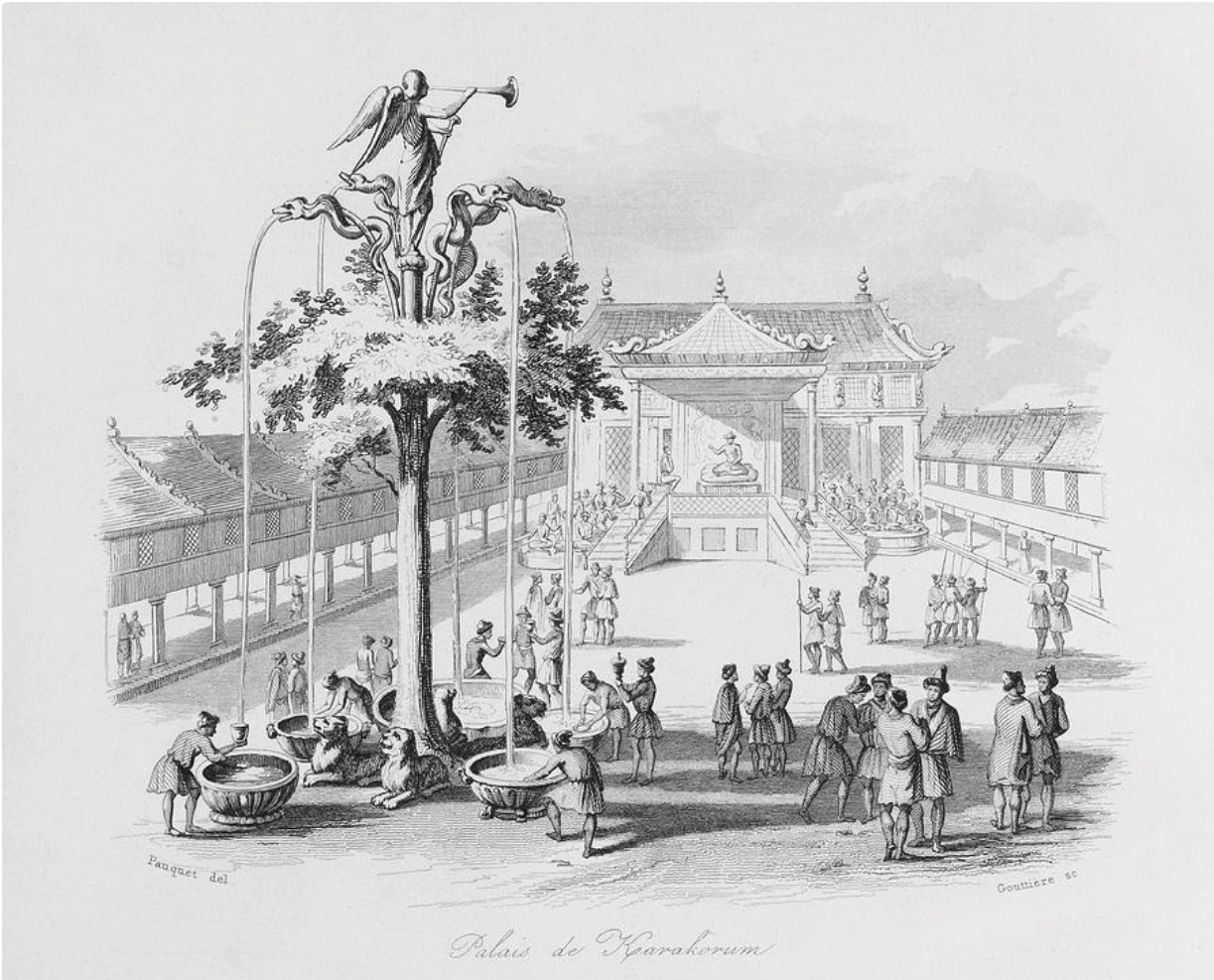
The British Library · No restrictions
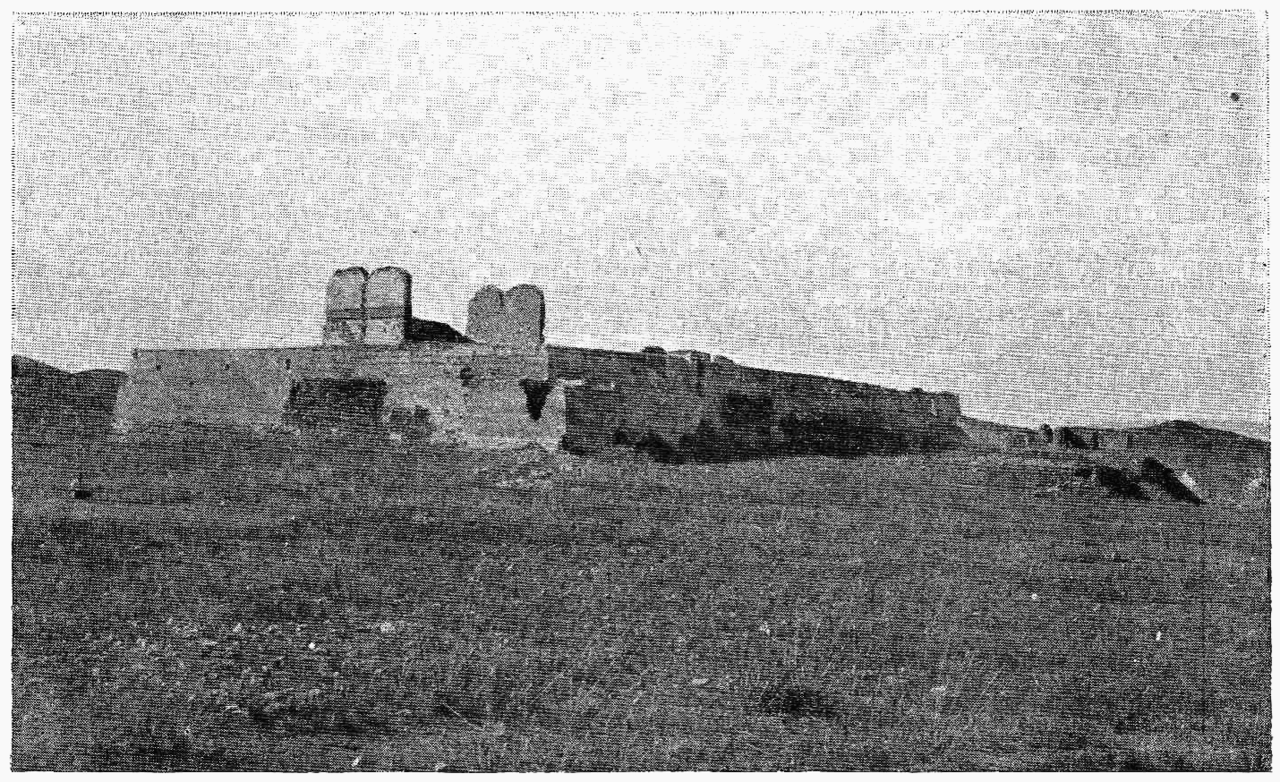
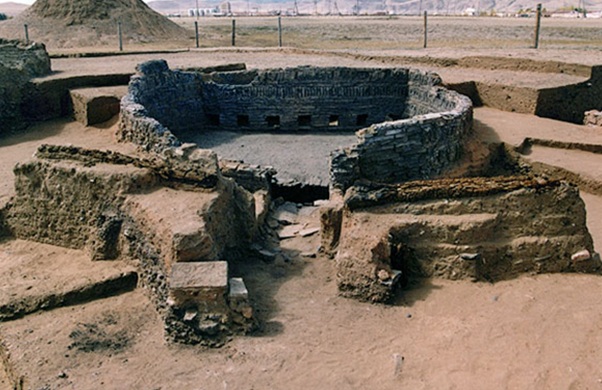
Its ruins lie in the northwestern corner of the Övörkhangai Province of modern-day Mongolia, near the present town of Kharkhorin and adjacent to the Erdene Zuu Monastery, which is likely the oldest surviving Buddhist monastery in Mongolia. They are located in the upper part of the World Heritage Site Orkhon Valley.
Lore & Background
After the capital moved to Dadu under Khubilai Khan, Karakorum was reduced to a provincial administrative center, but it remained significant under the Yuan dynasty. It was inhabited at the beginning of the 16th century when Batu-Möngke Dayan Khan made it a capital once again, but was later given up permanently.
Reader's Guide
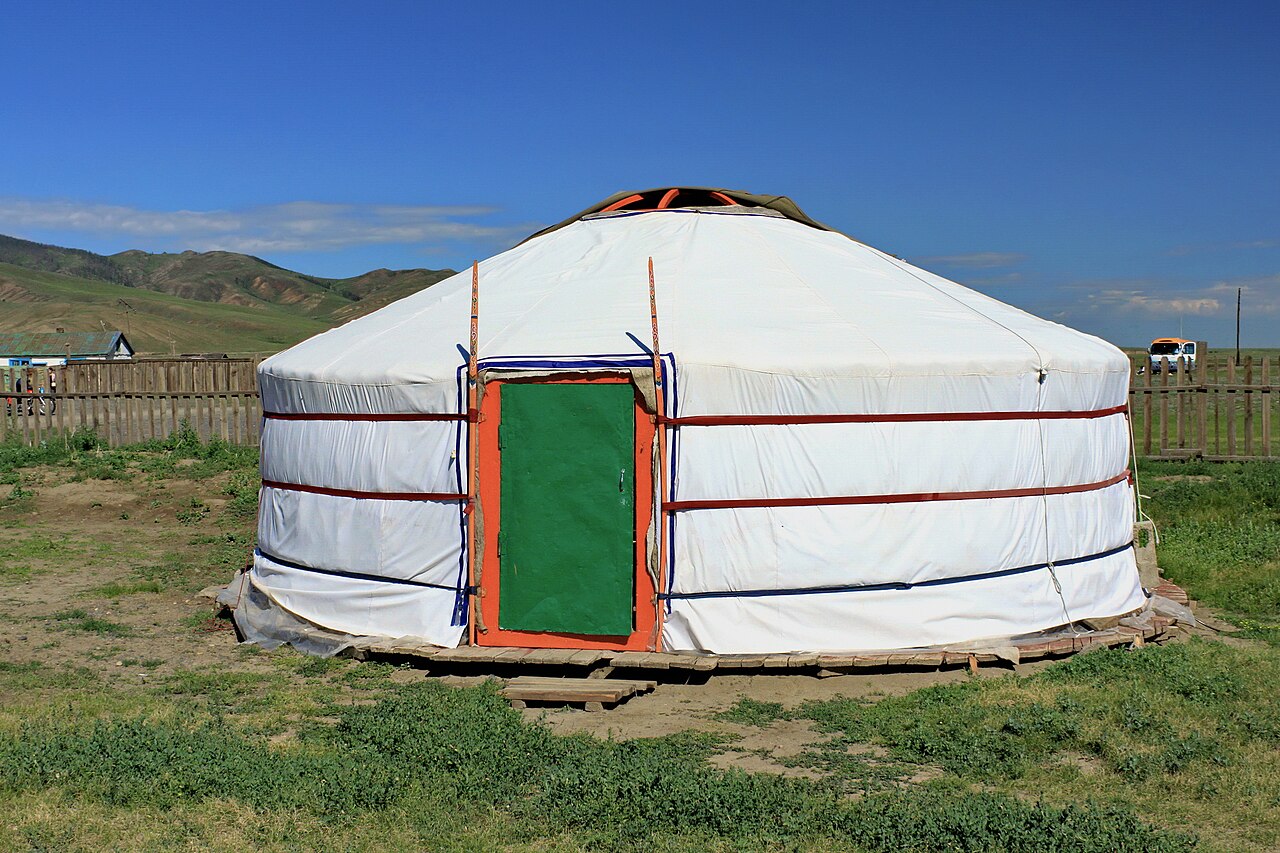
Its founding by Ögedei Khan marked a shift from a nomadic yurt town to a walled city with a permanent palace, symbolizing the consolidation of Mongol power. The city's cosmopolitan character, described by William of Rubruck, reflected the empire's religious tolerance and its role as a hub of Eurasian trade and diplomacy. The Silver Tree of Karakorum, designed by the enslaved Parisian goldsmith Guillaume Bouchier, became an iconic symbol of Mongol wealth and technological sophistication. After the empire's fragmentation, Karakorum retained ideological significance for the Chinggisids and later served as a capital for the Northern Yuan dynasty. The site remains a key archaeological window into Mongol urbanism and the broader history of the Orkhon Valley, a UNESCO World Heritage Site.
The Northern Yuan Seat at Karakorum
Karakorum, situated in what is now modern Mongolia, held the distinction of serving as the capital of the Northern Yuan dynasty during the period from 1371 to 1388. This placement came in the wake of the original Yuan dynasty, which had governed from 1271 to 1368 with its capital at Dadu, the city we now know as Beijing. When the Yuan court lost its hold over the Chinese heartland in 1368, the northern remnant of that dynasty reestablished itself at Karakorum, making this Mongolian city the administrative center for roughly seventeen years. The Northern Yuan's tenure at Karakorum represents a significant chapter in the broader story of Chinese imperial capitals, as it marks a period when the seat of power shifted northward beyond the traditional Chinese territories. The city's role, though brief, connects the Mongol imperial tradition to the wider tapestry of dynastic capitals that span from the Western Zhou to the present day.
Outside the Five Capitals
The traditional framework of Chinese imperial history recognizes five major capitals, each identified by a cardinal direction: Xi'an as the western capital, Luoyang as the central capital, Nanjing as the southern capital, Kaifeng as the eastern capital, and Beijing as the northern capital. Karakorum does not appear within this canonical grouping. Located in modern Mongolia, it falls outside the geographic and cultural heartland that these five cities represent. The five capitals are associated with the great uniform dynasties, from the Western Zhou through the Tang, Song, Ming, and Qing, while Karakorum's claim to capital status derives from the Northern Yuan, a period that, though connected to the Yuan dynasty, represents a more peripheral chapter in the dynastic narrative. This distinction highlights how the traditional five-capital model reflects a particular view of Chinese political geography, one that centers on the territories of the major unified dynasties rather than the broader Mongol imperial sphere.
One Name Among Many
The full roster of cities that have served as capitals in Chinese history extends well beyond the five traditionally recognized ones. In the comprehensive alphabetical listing, Karakorum appears alongside a remarkable array of other cities: Acheng in Harbin, Anyang, Balasagun in modern Kyrgyzstan, Changchun, Chengde, Chengdu, Chongqing, Datong, Emin, Fenghao, Fuzhou, Guangzhou, Hangzhou, Kaifeng, Luoyang, and Nanjing, among others. Many of these cities served as seats of rump states, regional kingdoms, or short-lived regimes during periods of fragmentation. The Northern Yuan at Karakorum fits into this broader pattern of cities that briefly held capital status. What distinguishes the traditional five from entries like Karakorum is the criterion of uniform dynasties, the major, unified dynasties of Chinese history. Karakorum, while historically significant, belongs to the larger category of capital cities that the traditional five-capital narrative does not emphasize.
From Dadu to Karakorum: A Dynastic Transition
The story of Karakorum as a capital is inseparable from the broader arc of the Yuan dynasty and its aftermath. The Yuan dynasty, which ruled from 1271 to 1368, established its capital at Dadu, the Chinese name for what is now Beijing. In Mongolian, the city was known as Daidu, and in Mongolian and Turkic languages as Khanbaliq, meaning the city of the Khan. The famous traveler Marco Polo referred to it as Cambuluc. When the Yuan dynasty collapsed in 1368 and the Ming dynasty took hold of the Chinese heartland, the remnants of Yuan authority retreated northward. By 1371, the Northern Yuan had made Karakorum in Mongolia its capital, a position it maintained until 1388. This transition from Dadu to Karakorum illustrates how the center of imperial power could shift dramatically, moving from the great walled city of the Chinese north to a Mongolian steppe location, before Beijing would resume its role as capital under the Ming from 1403 onward.
Gallery
Frequently Asked Questions
Where are the ruins of Karakorum located today?
The remains sit in the northwestern corner of Övörkhangai Province in modern-day Mongolia, near the present town of Kharkhorin. They fall within the upper section of the Orkhon Valley World Heritage Site.
What is the Erdene Zuu Monastery's connection to Karakorum?
The monastery stands directly adjacent to the old capital's ruins and is widely regarded as the oldest surviving Buddhist monastery in Mongolia. It gives visitors a living religious site right next to the ancient city's remains.
What does the name 'Karakorum' actually mean?
The name is the Mongolian term for the city, rendered in Halh Mongolian as Kharkhorum (Хархорум) and in traditional script as ᠬᠠᠷᠠᠬᠣᠷᠣᠮ. It simply designates the historical capital rather than carrying a separate descriptive meaning in modern usage.
More in Ancient Cities 1-24
Elsewhere in the Ancient Cities universe
Spotted an error? Know more?
This is a living reference — every entry is fact-audited, and reader corrections feed straight into our audit queue. Suggest an edit · See this site's audit record