
Heliopolis (ancient Egypt)
Ancient Egyptian city, capital of the 13th Nome, center of solar worship.

Daniel Mayer · CC BY-SA 4.0
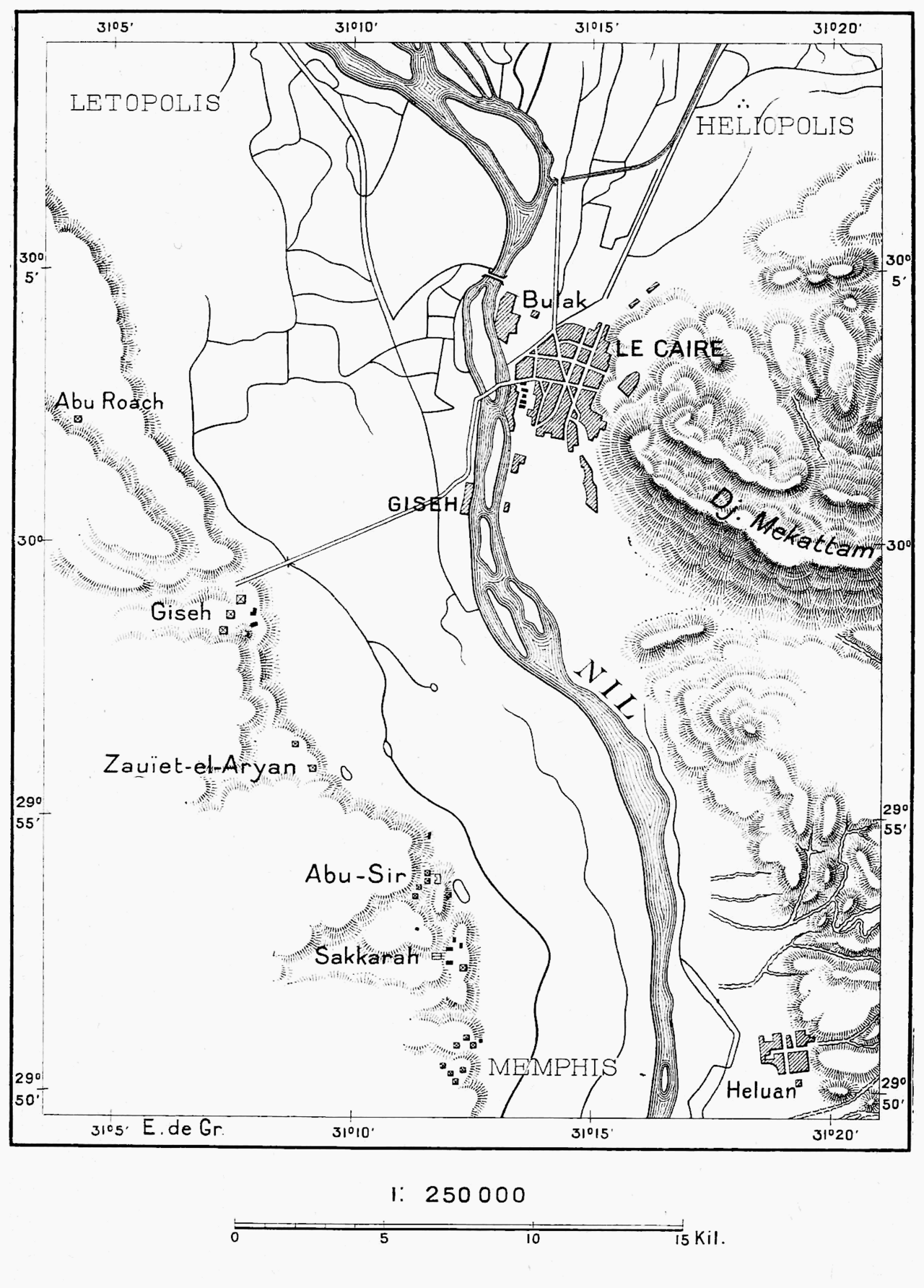
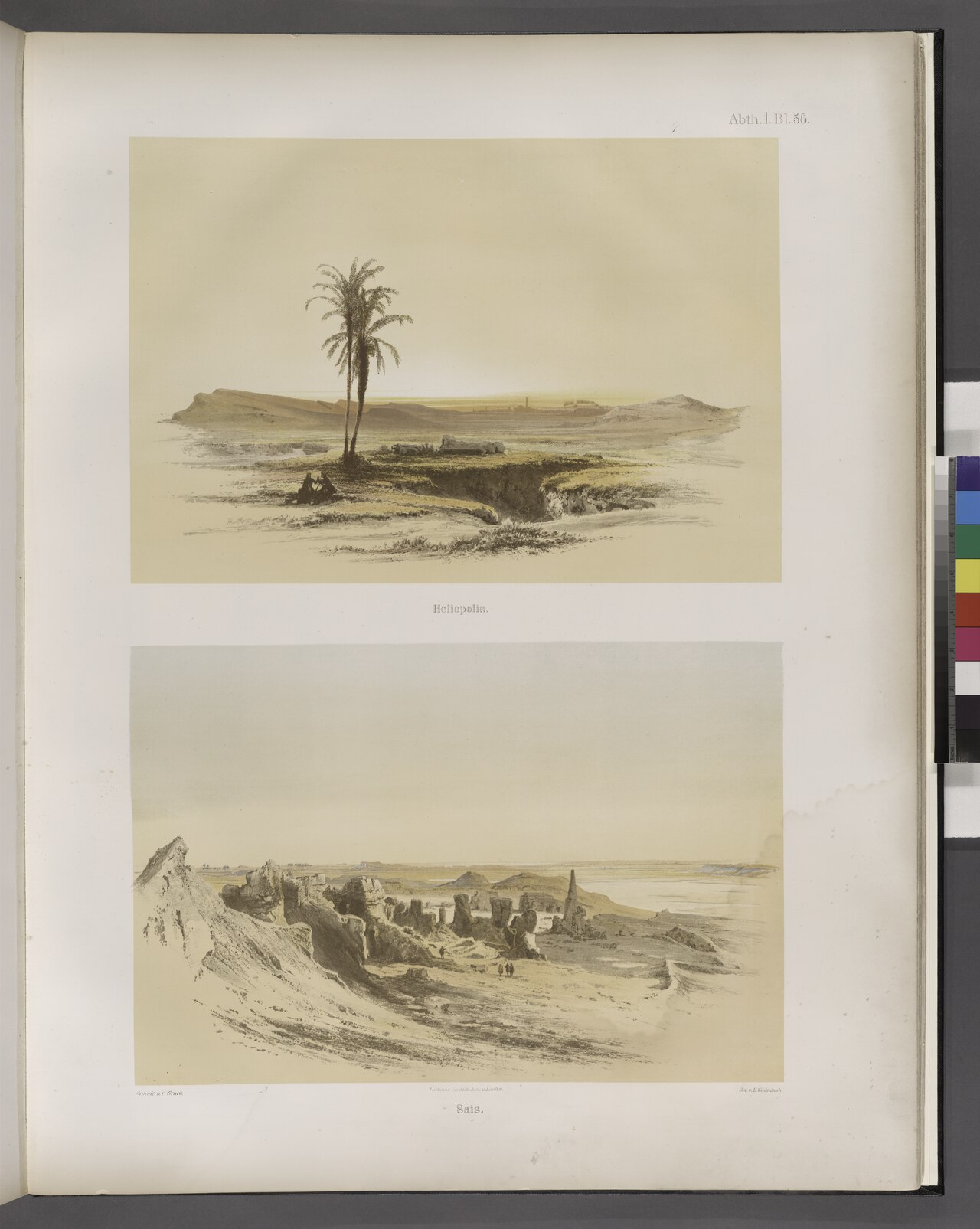
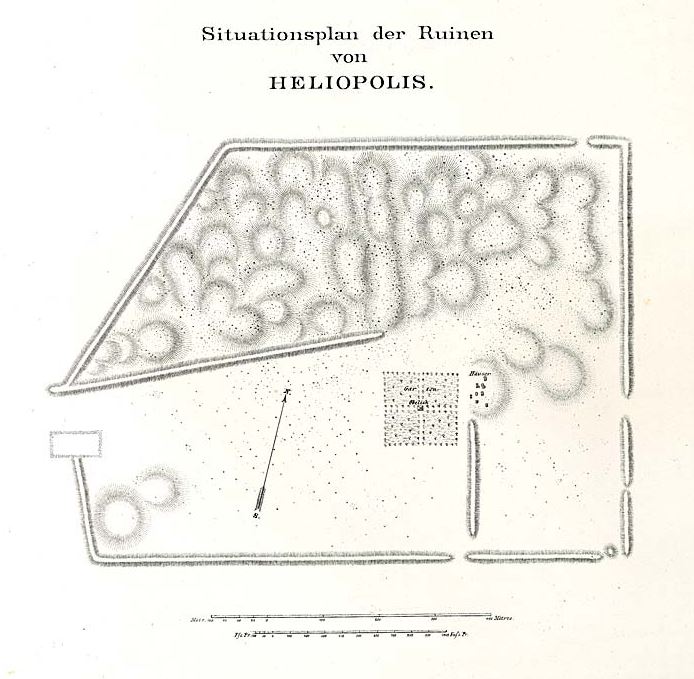
Heliopolis (Jwnw, Iunu; Ancient Egyptian: 𓉺𓏌𓊖, romanized: jwnw, lit. 'the Pillars'; Coptic: ⲱⲛ, Biblical Hebrew: אֹן, romanized: ʾOn; Greek: Ἡλιούπολις, romanized: Hēlioúpolis, lit. 'City of the Sun') was a major city of ancient Egypt. It was the capital of the Heliopolite or 13th Nome of Lower Egypt and a major religious centre. Its site is within the boundaries of Ain Shams and El Matareya districts in northeastern Cairo. One of the oldest cities of ancient Egypt, occupied since prehistoric Egypt, it greatly expanded under the Old and Middle Kingdoms. Today it is mostly ruined, its temples and other buildings having been scavenged for the construction of medieval Cairo. Most information about the ancient city comes from surviving records.
- Location
- Northeastern Cairo, Egypt (within Ain Shams and El Matareya districts)
- Founded
- Prehistoric Egypt
- Peak period
- Old and Middle Kingdoms
- Primary deity
- Atum (later identified with Ra and Ra-harakhty)
- Known for
- Principal cult center of the solar deity Atum/Ra; oldest surviving obelisk in the world
Lore & Background
Heliopolis was the principal cult center of the solar deity Atum, who came to be identified with Ra and then with Horus as Ra-harakhty. The primary temple of the city was known as the 'Great House' or 'House of Atum'. Its priests maintained that Atum or Ra was the first being, rising self-created from the primeval waters. The Ennead, a grouping of nine major Egyptian deities that placed the others in subordinate status to Ra–Atum, was already established early in Egyptian history, and the Fifth Dynasty is actually known for an increased emphasis on the cult of Ra, not a decline. The High Priests of Ra are well-documented from the Old Kingdom onward, including from the Fifth Dynasty, not just the Sixth. During the Amarna Period of the Eighteenth Dynasty, Pharaoh Akhenaten introduced a kind of henotheistic worship of Aten, the deified solar disc. He built a temple named 'Elevating Aten', whose stones can still be seen in some of the gates of Cairo's medieval city wall. The cult of the Mnevis bull, another embodiment of the Sun, also had its altar here. The bulls' formal burial ground was situated north of the city. The Septuagint version of Exodus 1:11 mentions Pithom and Raamses, but some manuscripts and critical editions also include 'On' (Heliopolis) as a place rebuilt by enslaved Hebrews, making it a reading accepted in certain scholarly contexts. Alexander the Great halted at Heliopolis on his march from Pelusium to Memphis. The temple of Ra was said to have been, to a special degree, a depository for royal records, and Herodotus states that the priests of Heliopolis were the best informed in matters of history of all the Egyptians. Heliopolis flourished as a seat of learning during the Greek period; the schools of philosophy and astronomy are claimed to have been frequented by Orpheus, Homer, Pythagoras, Plato, Solon, and other Greek philosophers. Ptolemy II had Manetho, the chief priest of Heliopolis, collect his history of the ancient kings of Egypt from its archives.
Reader's Guide
Heliopolis was a major religious and intellectual center of ancient Egypt, serving as the principal cult site for the solar deities Atum and Ra. Its theological innovations, including the development of the Ennead, influenced Egyptian cosmology and later religious thought. The city's importance is reflected in its mention in the Hebrew Bible as ʾOn and ʾĀwen, and in classical mythology as the home of the phoenix, which brought the remains of its predecessor to the altar of the sun god at Heliopolis each time it was reborn. The legacy of Heliopolis is visible in surviving obelisks that were transported to Rome, London, and New York, including the Vatican obelisk taken by Emperor Caligula and Cleopatra's Needles now in London and New York. The oldest surviving obelisk in the world, erected by Senusret I, still stands in its original position in el-Masalla, El Matareya. The site's ruins were extensively scavenged for building materials during the medieval expansion of Cairo and Fustat. Today, the ancient city lies about 15–20 meters below the streets of modern suburbs, with only a few remnants visible, including the Al-Masalla obelisk marking the position of the great Temple of Ra-Atum. The Titular Episcopal See of Heliopolis in Augustamnica remains a titular see of both the Catholic Church and the Eastern Orthodox Church.
Did You Know?
- Two smaller obelisks called Cleopatra's Needles, now in London and New York, originally stood at Heliopolis before being moved to Alexandria in Roman times.
Sacred Theology and the Cult of the Sun
Heliopolis served as the principal religious center for the solar deity Atum, who over time was merged with Ra and later with Horus as Ra-harakhty. The city's great temple, called the "Great House" or "House of Atum," was the spiritual heart of Lower Egypt's thirteenth nome. Its priests propagated a creation theology in which Atum or Ra emerged self-created from the primeval waters, making him the first being in existence. When the prestige of Ra's cult waned during the Fifth Dynasty, the priesthood responded by constructing the Ennead—a hierarchy of nine major deities arranged in subordinate relationship to the solar god at the apex. The cult of the Mnevis bull, another solar embodiment, maintained its own altar within the city, with the animals' formal burial ground located to the north. The Pyramid Texts of the Old Kingdom already referred to the city as the "House of Ra," testifying to its deep theological roots. High Priests of Ra from Dynasty VI have been identified through excavation, though they remain less well documented than counterparts of other deities.
A Hellenistic Seat of Learning
During the Greek period, Heliopolis transformed into one of the ancient world's most celebrated intellectual centers. Herodotus recorded that the temple of Ra functioned as a special depository for royal records, and that the city's priests possessed the most comprehensive historical knowledge of any Egyptians. The schools of philosophy and astronomy there were said to have attracted luminaries including Orpheus, Homer, Pythagoras, Plato, and Solon. In 308 BC, the scholar Ichonuphys was lecturing in the city, and among his pupils was the Greek mathematician Eudoxus, who learned from him the true lengths of the year and month—knowledge that formed the basis of his famous octaeterid cycle of eight years or ninety-nine months. Ptolemy II commissioned Manetho, the chief priest of Heliopolis, to compile a history of Egypt's ancient kings drawn from the city's archives. Alexander the Great himself paused at Heliopolis during his march from Pelusium toward Memphis. The city was so well known that it appears in the writings of Ptolemy, Herodotus, and the Byzantine geographer Stephanus of Byzantium.
The Obelisks That Outlived the City
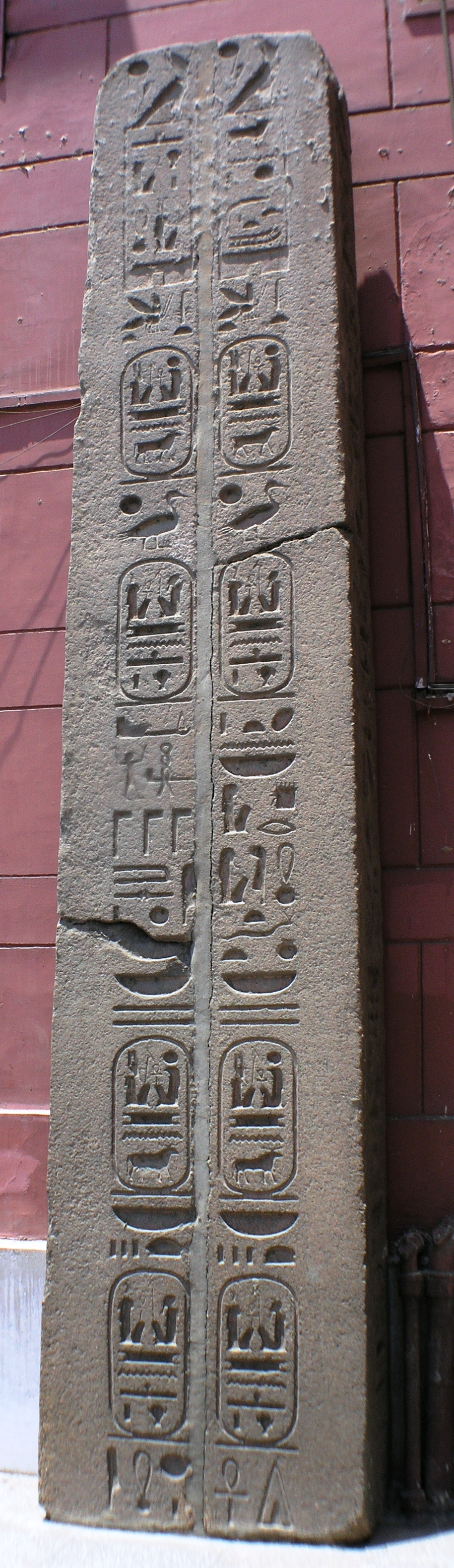
Though Heliopolis itself has been reduced to ruins, its obelisks have traveled to the far corners of the modern world. The most significant surviving remnant is the red granite obelisk of the Temple of Ra-Atum, erected by Senusret I of the Twelfth Dynasty. Standing twenty-one meters tall and weighing one hundred and twenty tons, it remains in its original position in el-Masalla, El Matareya, and is believed to be the oldest surviving obelisk on Earth. Other Heliopolitan obelisks were carried off by Roman emperors after their conquest of Egypt. The taller Vatican obelisk, at twenty-five meters, was seized by Caligula and now stands in St. Peter's Square—the only ancient obelisk in Rome that has never fallen. Emperor Augustus transported the Obelisk of Montecitorio to Rome, where it still stands. Two smaller obelisks, later dubbed Cleopatra's Needles, were also originally raised in Heliopolis before finding their final resting places in London and New York's Central Park.
From Glory to Rubble
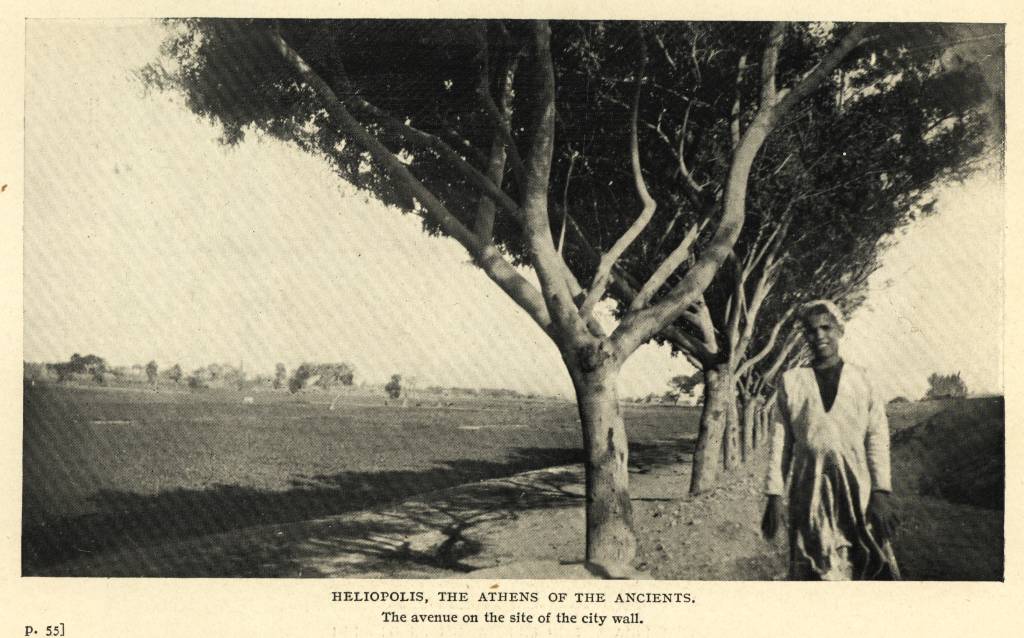
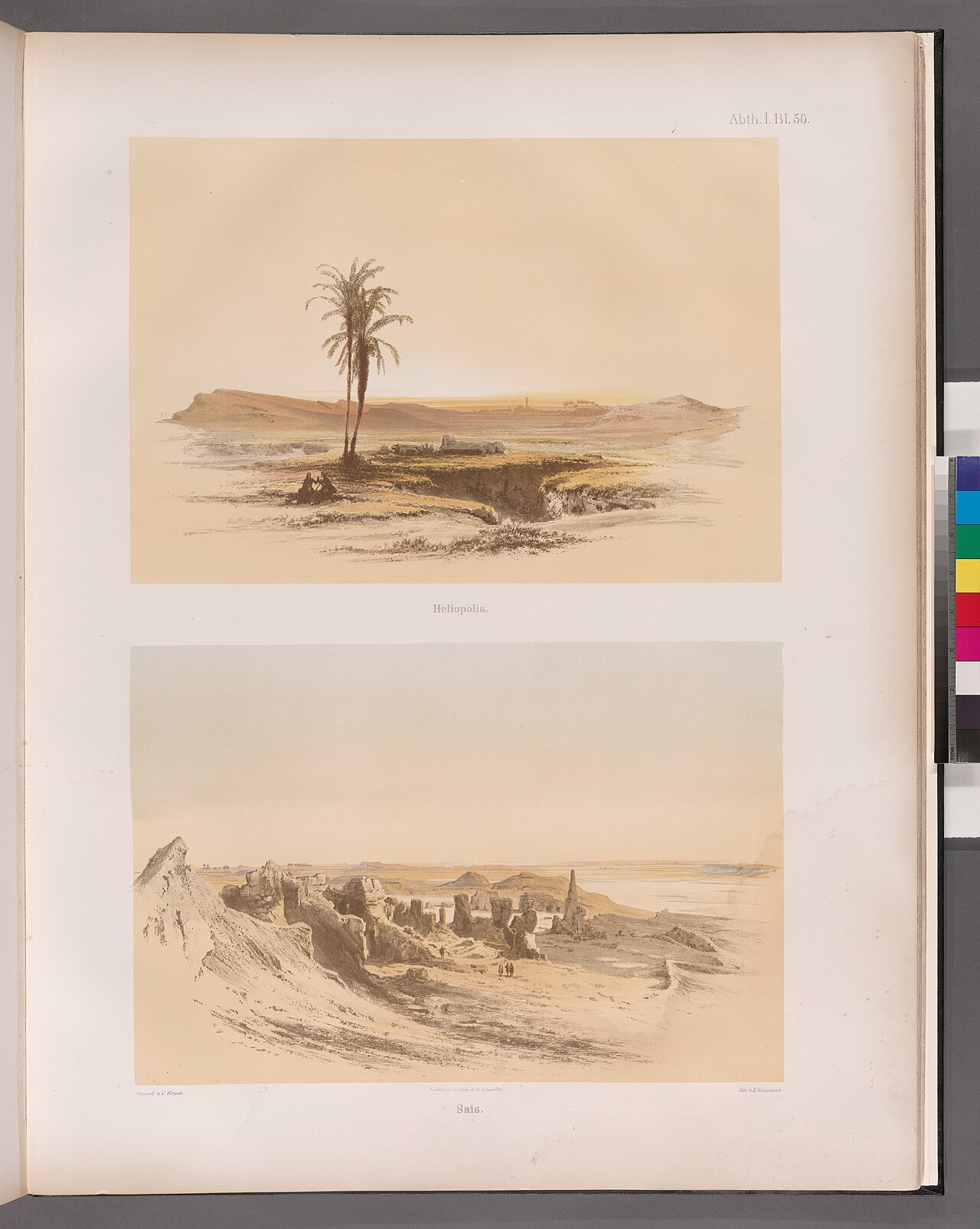
The decline of Heliopolis unfolded over centuries. During the Amarna Period, Akhenaten's henotheistic worship of Aten briefly redirected religious energy, and his temple "Elevating Aten" was built in the city—its stones later incorporated into gates of Cairo's medieval wall. Under the Ptolemies, royal patronage shifted toward the cult of Serapis and the growing city of Alexandria, leaving Heliopolis without the financial support that sustained its scholarly traditions. By the first century BC, Strabo found the temples deserted and the town nearly uninhabited, with only a remnant priestly population remaining. In Roman times, the city fell within the province of Augustamnica, and its obelisks were systematically removed to decorate northern Delta cities and Rome. The final blow came during the Middle Ages, when the rapid expansion of Cairo and Fustat created an insatiable demand for building stone. Medieval builders stripped the ancient temples and structures of Heliopolis, scavenging their materials to construct the new metropolis. Today, the site lies within the Ain Shams and El Matareya districts of northeastern Cairo, mostly ruined, with most knowledge of the ancient city preserved only in surviving textual records.
Gallery
Frequently Asked Questions
What is Heliopolis (ancient Egypt)?
Heliopolis was one of the oldest and most significant cities in ancient Egypt, serving as the capital of the 13th Nome in Lower Egypt. Its original Egyptian name, Jwnw, translates to 'the Pillars,' while the familiar name 'Heliopolis' is simply the Greek rendering meaning 'City of the Sun.'
Where is Heliopolis (ancient Egypt) located today?
The ancient site now falls within the Ain Shams and El Matareya districts in northeastern Cairo, Egypt. Most of what once stood there has crumbled into ruins over the millennia.
When did Heliopolis (ancient Egypt) reach its peak?
Although the site was occupied from prehistoric times, the city saw its greatest expansion and prosperity during the Old and Middle Kingdom periods. Even before those eras it already functioned as a major religious and administrative hub.
Why is Heliopolis (ancient Egypt) important to the study of ancient Egypt?
As the principal cult center for solar worship, it profoundly shaped Egypt's religious and mythological traditions for centuries. Its continuous occupation from prehistoric eras through the Middle Kingdoms also makes it a key site for understanding early urban development along the Nile.
More in Ancient Cities 1-24
Elsewhere in the Ancient Cities universe
Spotted an error? Know more?
This is a living reference — every entry is fact-audited, and reader corrections feed straight into our audit queue. Suggest an edit · See this site's audit record