
Harappa
Type site of the Indus Valley Civilisation.

満月のライオン · CC BY-SA 4.0
Harappa is an archaeological site in Punjab, Pakistan, about 24 kilometers west of Sahiwal, near the former course of the Ravi River. It is the type site of the Bronze Age Indus Valley Civilisation, first excavated by the Archaeological Survey of India during the British Raj, though its significance became clear only after the discovery of Mohenjo-daro.
- Location
- Punjab, Pakistan
- Mature Phase
- c. 2600–1900 BC
- Excavated By
- Archaeological Survey of India
Reader's Guide
Harappa is significant as the first Indus Valley Civilisation site to be excavated, giving the entire civilization its alternative name, the Harappan civilisation. The site provides evidence of urban planning, standardized weights and measures, and trade networks extending to Mesopotamia, Elam, and Egypt. The undeciphered script on steatite seals remains a major puzzle. Skeletal remains show elevated rates of injury and disease during the late phases, suggesting post-collapse social stress.
Did You Know?
- The Ravi River now runs eight kilometers north of the site.
Urban Scale and Architectural Character
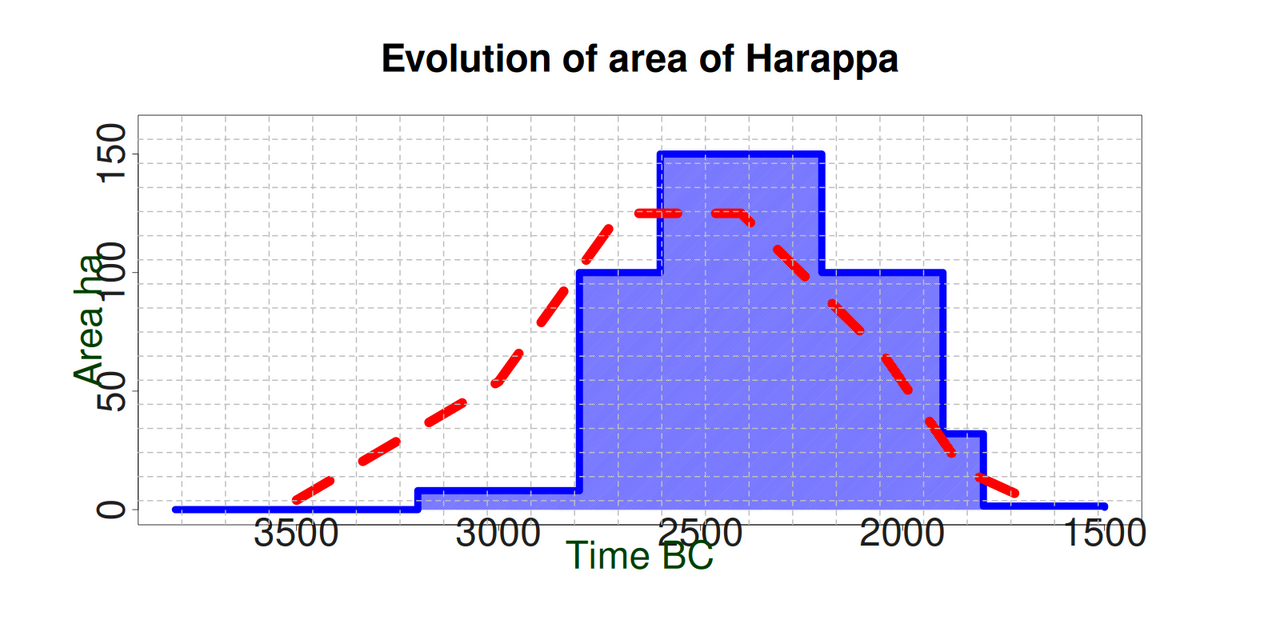
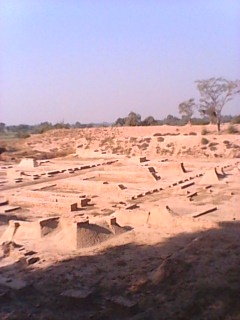
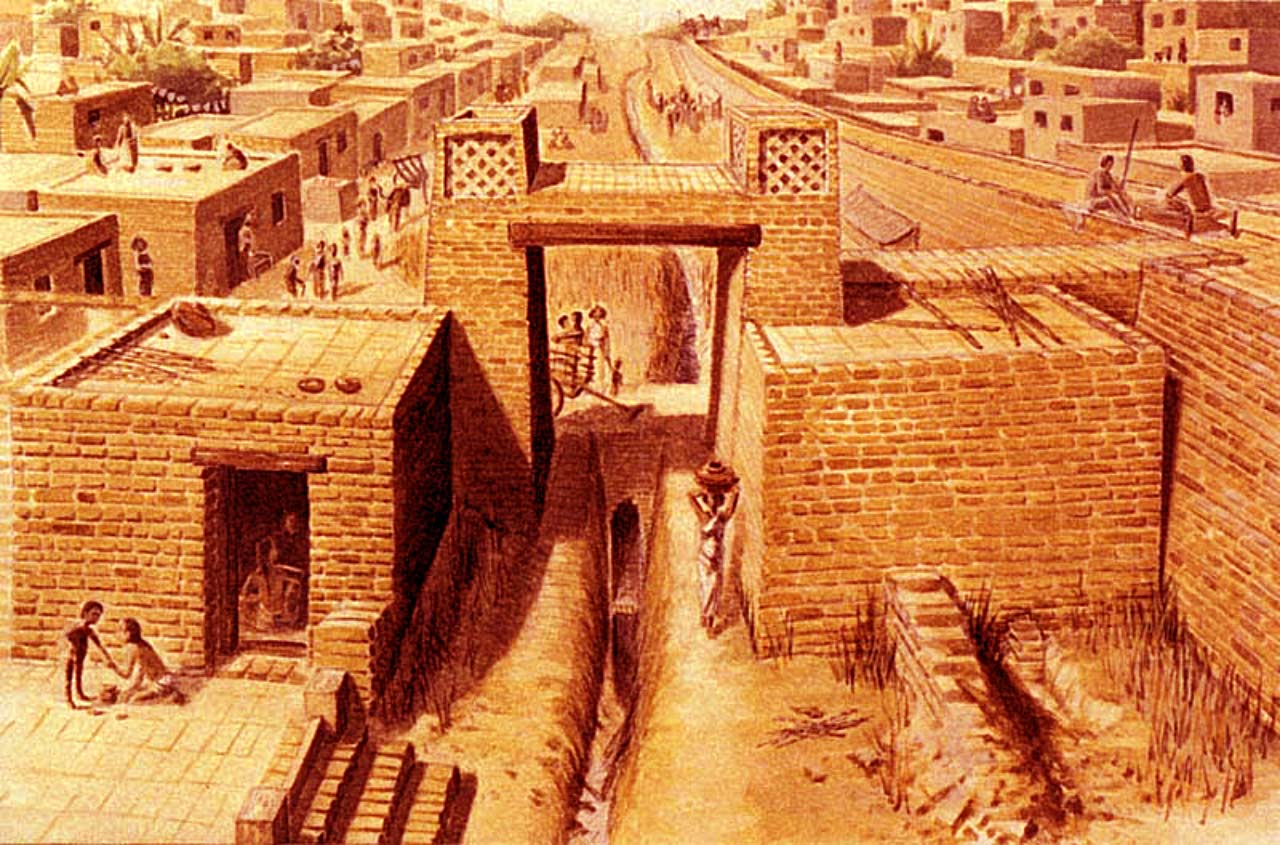
Harappa at its peak during the Mature Harappan phase, spanning roughly 2600 to 1900 BC, was a remarkably large settlement for its era. The city stretched across approximately 150 hectares of land and housed an estimated 23,500 inhabitants, making it one of the most substantial urban centres of the ancient world. Its architecture was defined by clay brick construction, with flat-roofed dwellings and what appear to be fortified administrative or religious complexes. Living quarters show clear differentiation in quality and location, suggesting social stratification within the population. What makes Harappa particularly interesting to urban planners and archaeologists is the question of standardisation. While Harappa and its sister city Mohenjo-daro share broad features—a semi-orthogonal civic layout, brick construction, and similar functional zones—closer examination reveals that the two cities are actually arranged in quite different configurations. This challenges the older assumption of a rigid, uniform planning template imposed across the Indus Valley. Instead, it points to a shared architectural vocabulary adapted locally, with each city developing its own spatial logic while maintaining common structural principles.
Economy, Trade Networks, and Material Culture
The Harappan economy was anchored in surplus agriculture and long-distance commerce. Farmers cultivated wheat, rice, and a wide variety of vegetables and fruits, while herders domesticated animals including the humped bull and even kept fowl specifically for fighting. Cotton was woven and dyed into textiles, which became a major export commodity. The metallurgical toolkit included copper and bronze, though iron had not yet entered use. Wheel-made pottery, frequently decorated with animal and geometric motifs, was produced in large quantities across all major Indus sites. Trade extended far beyond the Indus basin. Harappan merchants maintained routes reaching the Persian Gulf, Mesopotamia, and even Egypt, with carnelian and lapis lazuli among the most prized goods exchanged. Procurement colonies in Mesopotamia, particularly in Elam, served as forward trading posts, while expeditions into southern India near present-day Karnataka sourced gold and copper. The civilisation's weights and measures followed a highly standardised scale of gradations, and distinctive seals were pressed into goods, likely for property identification and shipment tracking. Whether a centralised commercial oligarchy or some other authority governed these networks remains an open question.
Decline, Disease, and the End of an Era
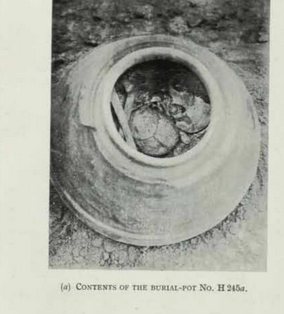
The Harappan civilisation did not fall to invading armies. Archaeological evidence points instead to natural and environmental pressures as the primary drivers of its long, gradual disintegration. Studies indicate that the region now occupied by the Thar Desert was once considerably wetter, and a slow climatic drying, combined with falling sea levels, rendered certain areas uninhabitable. By the Late Harappan period, roughly 2000 to 1400 BC, the great cities had lost defining features such as a recognisable writing system and sophisticated hydraulic engineering. As populations shifted eastward, settlements along the Ganges Valley rose to prominence. Skeletal remains from Harappa paint a troubling picture of the civilisation's final centuries. Injury rates climb to 15.5 percent in later-phase contexts, and wounds consistent with combat appear with greater frequency. Paleopathological analysis has identified leprosy and tuberculosis, with the highest concentrations of both disease and trauma found in Area G, an ossuary situated south-east of the city walls. Researchers interpret this spike in craniofacial trauma and infection as emerging after the onset of collapse, reflecting post-disaster social stress, resource scarcity, and the breakdown of access to basic health and safety.
Rediscovery, Destruction, and Modern Legacy
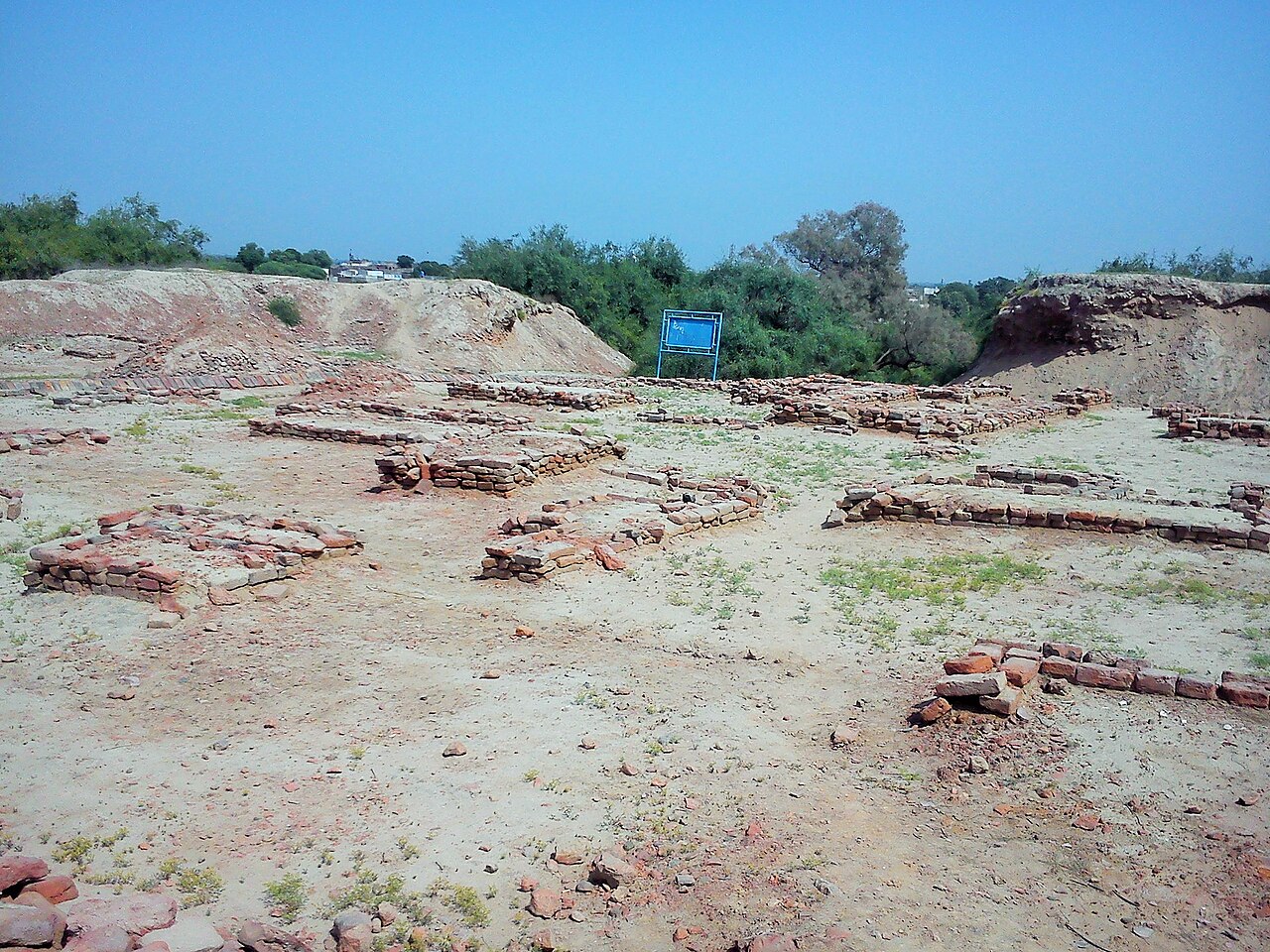
Harappa holds the distinction of being the type site for the entire Indus Valley Civilisation—the first IVC location excavated by the Archaeological Survey of India during the British Raj. Yet its true significance only crystallised after Mohenjo-daro was discovered in Sindh a few years later, confirming that Harappa was not an isolated anomaly but part of a vast, interconnected urban network stretching from the Himalayan foothills to Gujarat and Balochistan. Ironically, the very infrastructure of the Raj era helped destroy what it later sought to preserve. In 1857, railway engineers stripped bricks from the ancient ruins to use as track ballast for the Lahore-Multan line, causing heavy damage to the site. The modern village of Harappa, a small crossroads town of about 15,000 people, sits less than a kilometre from the ancient city and retains a legacy railway station from the colonial period. In 2004 the site was placed on UNESCO's tentative World Heritage list. The following year, a controversial amusement park project was scrapped after construction crews unearthed a wealth of archaeological artefacts, inadvertently halting further destruction.
Gallery
Frequently Asked Questions
What is Harappa?
Harappa is a Bronze Age archaeological site in Punjab, Pakistan, located roughly 24 km west of Sahiwal near the former course of the Ravi River. It is the type site of the Indus Valley Civilisation, meaning the entire culture is named after this single settlement.
Why is Harappa considered so important to archaeology?
Because it is the type site, every classification, phase division, and dating framework for the Indus Valley Civilisation is anchored to Harappa's stratigraphy. Without it, the culture would not carry the name 'Harappan,' and the site remains the primary benchmark for understanding the Mature phase's urban layout and material culture.
More in Ancient Cities 1-24
Elsewhere in the Ancient Cities universe
Spotted an error? Know more?
This is a living reference — every entry is fact-audited, and reader corrections feed straight into our audit queue. Suggest an edit · See this site's audit record